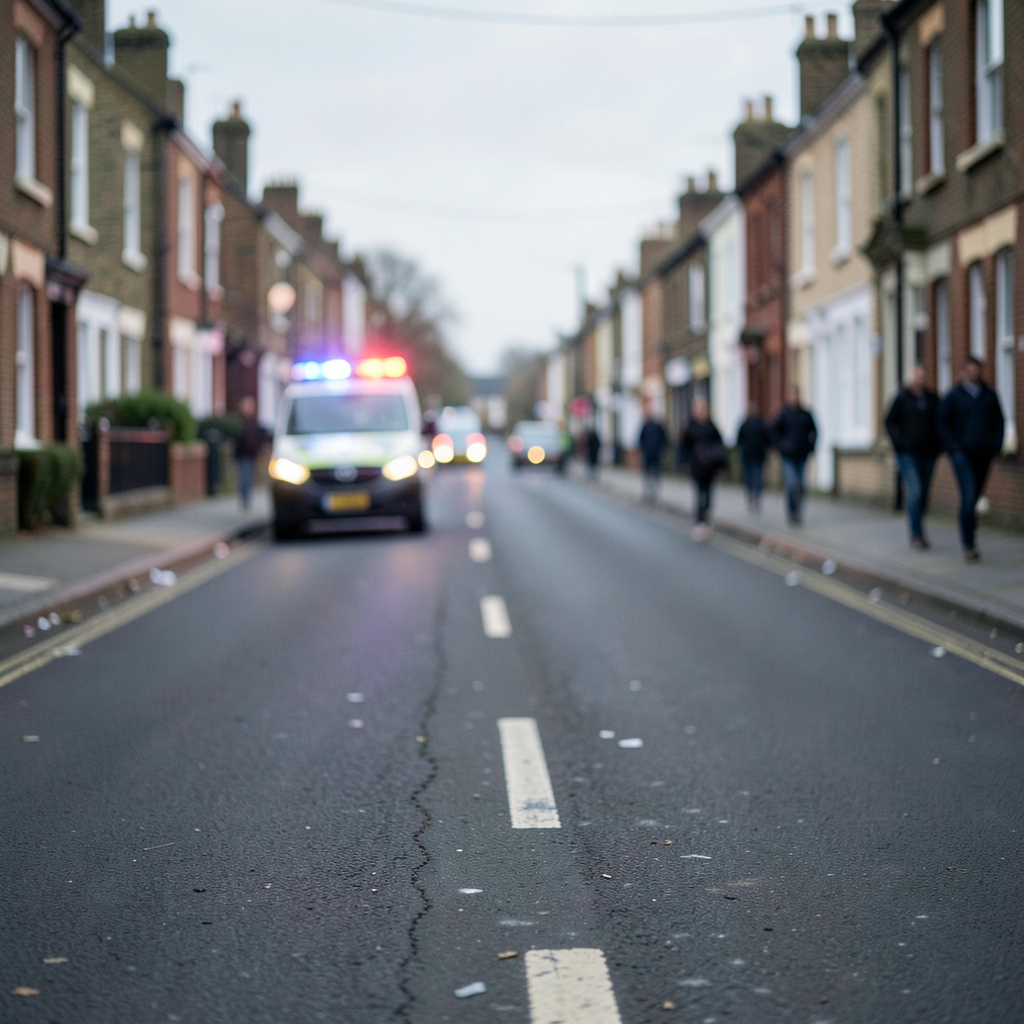

After days of warnings, surveillance activities and dispersal directives, the widely discussed school rivalry trend labelled Red vs Blue ultimately occurred without the serious clashes some observers had feared.
Videos and images shared across TikTok and Snapchat depicted after-school gatherings as colour-themed battles between rival schools across the city.
Diagrams circulated showing numerous educational institutions split into opposing Red and Blue groups, with certain posts encouraging students to document incidents or bring everyday school equipment that could serve as improvised weapons.
In the Tower Hamlets district, the trend spawned a local variation featuring a Green versus Black colour scheme, though the fundamental premise mirrored the original.
As the content spread widely, schools issued urgent notifications to parents and guardians urging young people to steer clear of gatherings and refrain from resharing material.
Police heightened their visibility around school premises and transportation hubs, while Section 35 dispersal authorities were activated preventatively in certain boroughs.
The Metropolitan Police indicated it was tracking digital activity and partnering with educational institutions to deter and address potential disorders.
Roughly a dozen online accounts were suspended upon detection of threats or incitements to violence.
Despite the widespread digital propagation, officials have not confirmed any substantial coordinated incidents linked to the trend, with anticipated gatherings largely failing to take shape.
The episode has ignited wider conversations about how social media platforms can escalate situations.
Could digital content have amplified concerns and triggered copycat behaviour?
Or did rapid dissemination allow schools, families and authorities to respond swiftly and prevent harm?