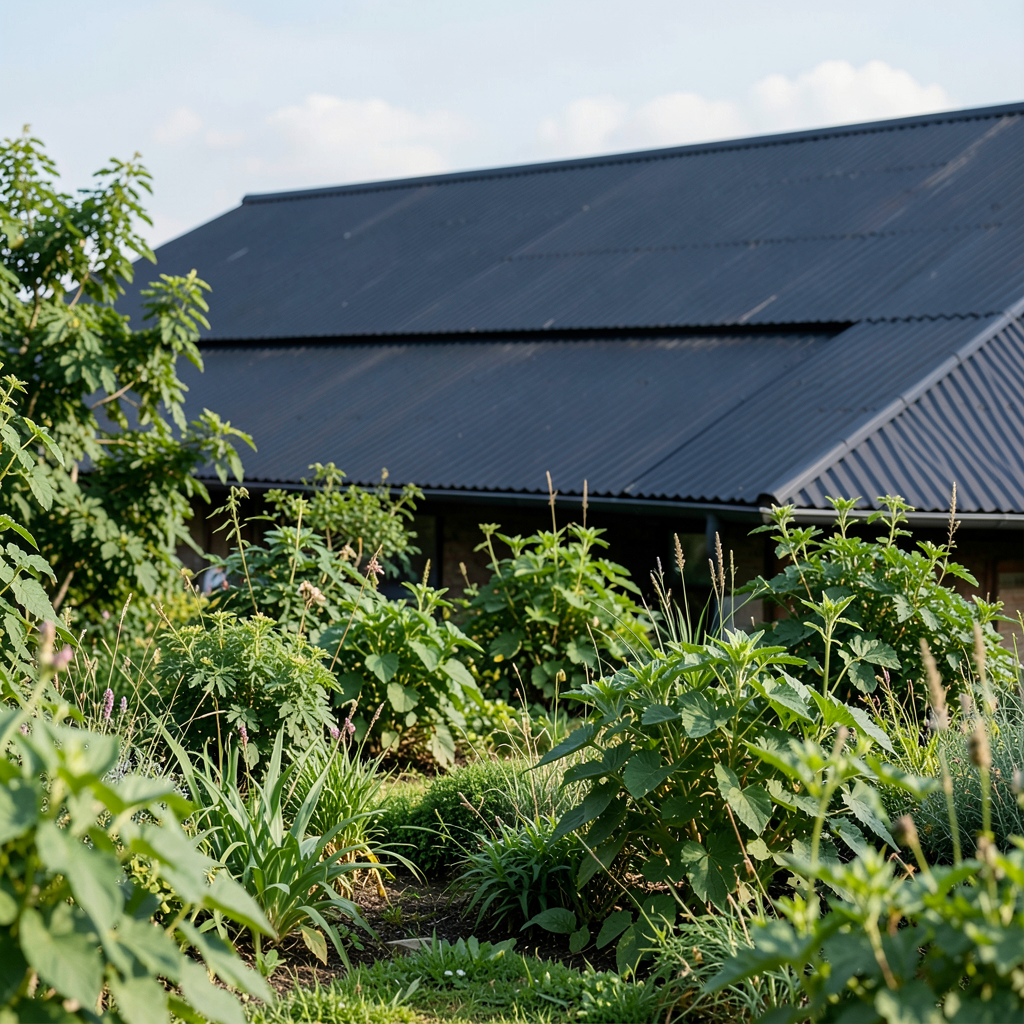

While the UK sweats through one of its warmest Junes in living memory, specialists are cautioning that the very outdoor spaces householders have invested years cultivating could be intensifying the heat problem.
With sections of England under an uncommon red extreme heat alert and mercury levels expected to climb to 38°C, professionals in outdoor surfaces suggest many property owners remain oblivious to the fact that several of Britain’s beloved easy-care garden additions can soak up and hold far more warmth than conventional grass lawns.
The caution arrives as British gardens undergo continued transformation, with synthetic turf, paved terraces and man-made timber decking taking the place of natural vegetation in numerous residences.
Though these additions minimise upkeep demands, specialists argue they can also cause gardens to become considerably warmer during extended periods of severe heat.
Research indicates four out of five British horticulturists have already detected climate-inflicted harm to their external areas, while solid surfaces continue displacing natural grass across the nation.
According to Alex Essex, outdoor surface authority at PBSR CO, numerous householders only encounter the problem when temperatures spike. Homeowners invest considerable sums crafting attractive, low-maintenance gardens, yet many fail to recognise they have simultaneously created outdoor areas that become intensely hot during heatwaves. The irony lies in the fact that the weather people anticipate all year can actually render some contemporary gardens unpleasant, and occasionally unsafe, to use. The issue is not that synthetic grass, decking or patios constitute poor selections. Rather, numerous gardens have progressively lost the natural cooling effect previously supplied by lawns, trees and vegetation. As summers grow warmer, householders need to consider heat resilience alongside aesthetics and maintenance requirements.
Synthetic grass remains among Britain’s most popular garden improvements, with roughly 18 million square metres now fitted across cultivated outdoor areas. Unlike genuine grass, artificial lawns do not benefit from evaporation or moisture retained in soil, meaning they can absorb and radiate warmth for hours following direct sunlight.
The same challenge impacts many other features that have become standard elements of contemporary garden design.
The five garden features most susceptible to heatwaves
1. Synthetic grass – Artificial turf can reach considerably higher temperatures than natural lawn during extended sunshine, making it unpleasant for children, animals and anyone walking without footwear. Many families encounter surprise when venturing outside to discover their lawn resembles a patio more than grass. Incorporating surrounding vegetation, establishing shaded zones or installing pergolas can help render these areas more comfortable during heatwaves and safer for young children.
2. Expansive patios – With approximately 42% of British garden area now hardscaped, terraces have become fundamental to outdoor living. Nevertheless, concrete, porcelain and natural stone absorb warmth throughout daylight hours and can remain warm well into nighttime. Terraces frequently serve as focal points in contemporary gardens, yet large uninterrupted paved zones can rapidly become heat collectors. Introducing container planting, shade structures or climbing plants nearby can assist in creating a cooler and more pleasurable outdoor environment. Without such measures, during hot spells these surfaces can become extremely warm underfoot, heightening the risk of discomfort or even burns for children, pets and anyone walking barefoot in the garden.
3. Composite decking – Composite decking produces appealing entertainment zones but darker boards can become exceptionally warm in direct sunlight, particularly during extended hot weather. Decking functions well throughout the year, yet surface temperatures can escalate considerably during heatwaves. Outdoor rugs, parasols and thoughtfully positioned planting can help diminish direct sun exposure and render the space more comfortable.
4. Garden structures – The demand for garden offices and outdoor studios has surged dramatically in recent years with an average of roughly 193,000 monthly searches, yet many were conceived for winter rather than summer cooling, making overheating an escalating concern. Many garden structures were designed with cooler weather as the priority, but summer overheating is becoming increasingly prevalent. External shading, climbing plants, enhanced ventilation and reflective blinds can all assist in regulating temperatures more efficiently.
5. External furnishings – Metal, plastic and composite furniture can rapidly become too warm for comfortable use during heatwaves, while repeated UV exposure may additionally diminish their lifespan. Straightforward measures such as furniture covers, shaded storage areas or positioning furnishings beneath pergolas can help maintain appearance and durability, particularly during recurring heatwaves.
Alex considers the issue reflects a broader transformation in how British gardens have developed over the past two decades. Natural vegetation does not merely enhance garden aesthetics, it also aids cooling. Trees, shrubs and lawns all contribute to lowering surface temperatures. When these are substituted with solid landscaping, gardens frequently become noticeably warmer.
Specialists suggest the answer does not necessarily involve removing contemporary garden features but rather designing external spaces that more effectively balance practicality with climate resilience.
Incorporating pergolas, planting borders, climbing plants, shade sails and strategically positioned trees can all assist in reducing temperatures while making gardens more comfortable during extreme heat periods.
Five straightforward approaches to maintain a cooler garden this summer
Test artificial grass before children or pets use it by placing the back of your hand on the surface.
Hose down artificial grass and patios before use to temporarily reduce surface temperatures.
Establish shaded zones with pergolas, parasols or climbing plants.
Refrain from walking barefoot on artificial grass, decking or paving during the warmest part of the day.
Increase planting around solid landscaping to naturally cool external spaces.
Alex observes that as heatwaves grow more frequent, people will assess their gardens differently. It is no longer merely about possessing the most attractive outdoor area or the one requiring least upkeep. The finest gardens of the future will be those that remain comfortable, safe and functional, even during the hottest days of the year. Gardens designed for climate resilience are not merely superior for plants, they are superior for families, pets and anyone wishing to genuinely savour being outdoors.