
Ernő Goldfinger, born in Hungary, established himself as a designer of some of London’s most distinctive high-rise structures, with Trellick Tower and Balfron Tower among his most notable works.
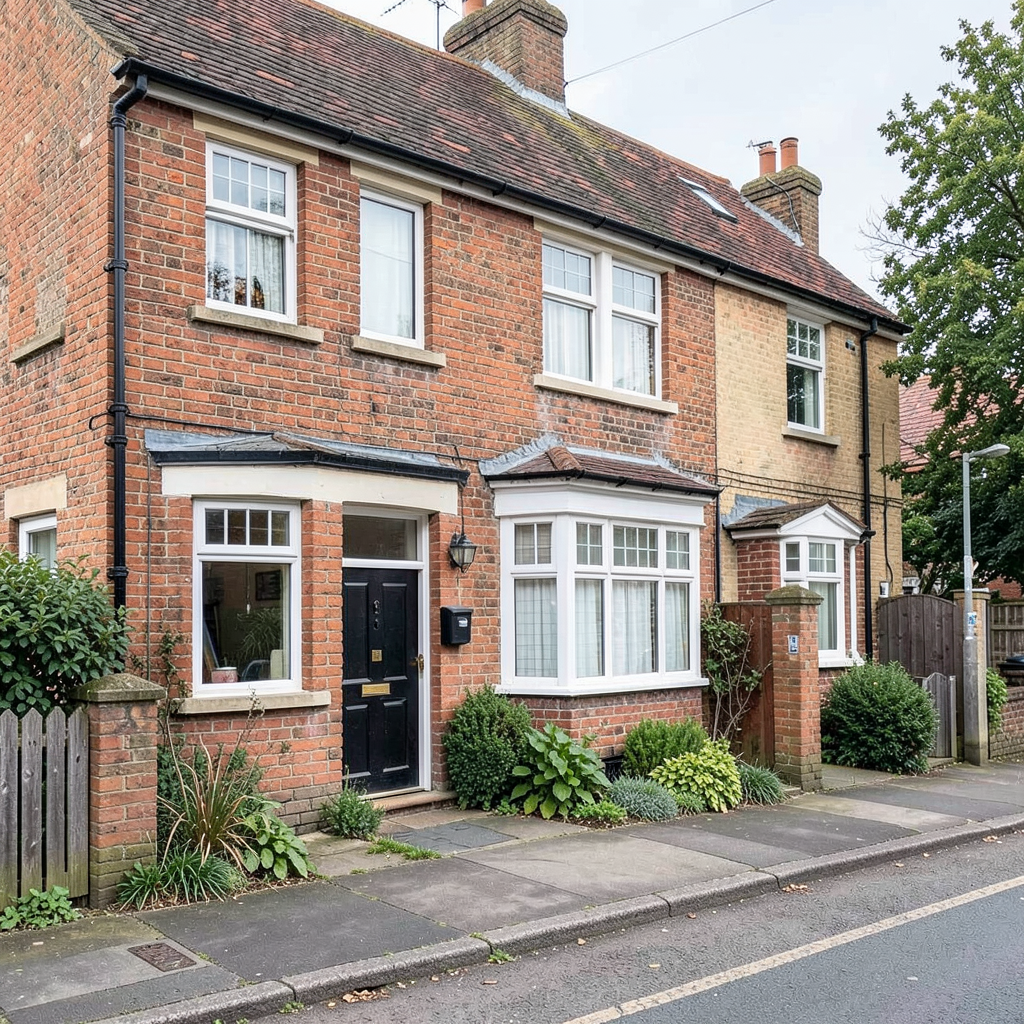
Following his arrival in the capital in 1934, the architect sought to construct his own residence in 1939, purchasing a property on Willow Road where he intended to replace an existing Victorian cottage with a modernist dwelling.
The proposal encountered significant resistance from local residents.
Among those who voiced objections to the scheme was Ian Fleming, who would later create the fictional spy James Bond.
Fleming registered complaints regarding the demolition of the traditional cottage and expressed disapproval of Goldfinger’s contemporary architectural aesthetic.
The author’s displeasure toward the architect persisted, surfacing during a golf game with John Blackwell, a relative of Goldfinger’s spouse Ursula.
Blackwell allegedly characterized the architect as lacking humour and displaying overbearing tendencies.
Recognising the potential of such a distinctive surname, Fleming incorporated it into his 1959 novel, using it as the name for the antagonist in his seventh Bond adventure.
The character appeared as an eccentric adherent of Marxist ideology with an inflated sense of self-importance.
Upon learning of the novel’s title, Goldfinger initiated legal proceedings against the publisher Jonathan Cape, contending that the uncommon nature of the surname in Britain rendered the reference an unmistakable and harmful slur upon his standing.
The dispute concluded with an out-of-court agreement requiring the publisher to cover legal expenses, supply six complimentary copies of the book, and commit to referring to the fictional character exclusively as Auric Goldfinger to underscore its invented nature.
Subsequent printings incorporated a disclaimer affirming the complete fictitiousness of all characters.
The controversy might have concluded there had Goldfinger’s residence at 2 Willow Road not appeared in the telephone directory.
Following the success of the 1964 film adaptation, certain individuals apparently found amusement in telephoning the address and performing Shirley Bassey’s title track or adopting the manner of Sean Connery with phrases such as Goldfinger, this is agent 007.
Beyond these disputes, Goldfinger undertook commissions for educational establishments on behalf of the London County Council and commercial developments including Alexander Fleming House in Elephant and Castle.
He commented that his concrete towers from the 1960s were conceived as if created for his own occupation.
Alongside Ursula, he took up residence in Balfron Tower for a period of two months, organising champagne gatherings to ascertain tenant opinions on the apartments, subsequently applying this feedback to his design of Trellick Tower.
In Hampstead, the couple maintained social connections with figures from the arts community and expatriate circles, including Henry Moore, Barbara Hepworth, Ben Nicholson and Roland Penrose.
Goldfinger’s residential blocks, once subjects of contention, now enjoy recognition as exemplary specimens of post-war architectural practice and hold Grade II* protected status.
He remained resident in Hampstead until his passing in 1987, aged 85.
His former family home at 2 Willow Road operates under the stewardship of the National Trust and welcomes visitors.