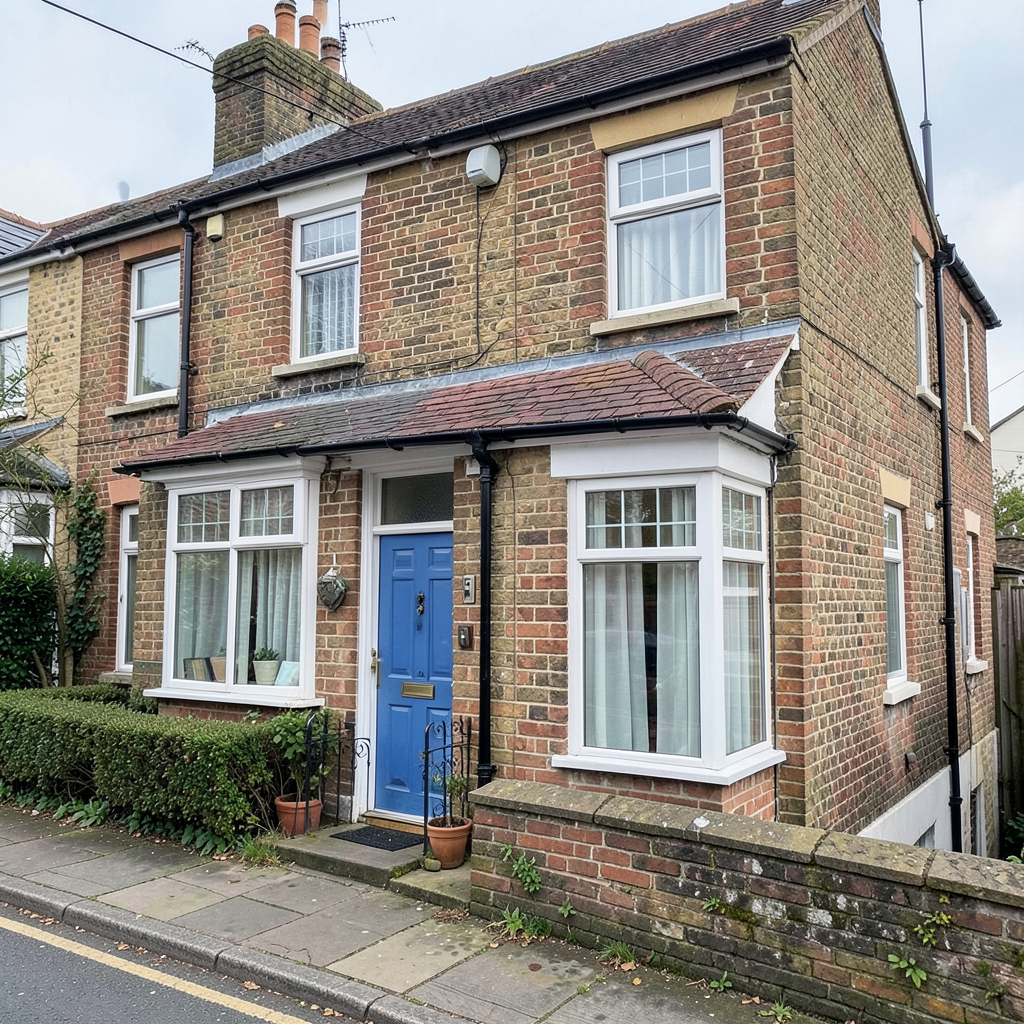

Construction has begun on 172 council homes across Haggerston, Clapton and Stoke Newington as Hackney mayor Zoë Garbett seeks additional government funding for a larger housebuilding programme.
The developments occupy seven underused sites owned by the council, comprising former garages, disused offices and car parks.
The locations are Pedro Street, Blackwell Close, Nye Bevan Estate, Morris Blitz Court, Frampton Park Estate, Fellows Court and Weymouth Court.
Each project will provide energy-efficient homes, with priority given to local residents in housing need.
These are the first council housing schemes to commence construction under Hackney’s new mayor.
Subject to suitable government funding, they could mark the beginning of a significant expansion in the building of council homes across the borough.
Hackney currently has 972 council homes either being planned or delivered.
Those schemes received £125m through the Mayor of London’s Affordable Homes Programme between 2021 and 2026.
The council intends to develop hundreds of additional homes on unused council land during the next 10 years.
Wherever possible, the programme will prioritise larger homes for families because households requiring two or three bedrooms generally experience the longest waits.
Future government support will be needed to advance this work.
Further funding would also allow Hackney Council to repurchase homes previously sold under the Right to Buy policy.
Such purchases could rapidly increase housing supply for residents with the greatest need, although present government funding limits the scale of this activity to a relatively modest level.
More than 8,000 Hackney households are awaiting council housing.
Some residents live in crowded hostels, temporary properties scheduled for demolition or costly private rented accommodation, where publicly funded support benefits private landlords.
The current waiting time for a two-bedroom council flat is 12 years.
A new council home in Hackney now costs almost £450,000 to construct.
Government grants or funding from the Greater London Authority normally covers as much as half of that amount, while borrowing and the sale of homes for outright purchase meet the remaining costs.
The council must balance its annual budget, including debt repayments and expenditure on essential local services.
Mayor of Hackney Zoë Garbett said that thousands of local residents urgently require safe, permanent council accommodation, but austerity and the scale of the housing emergency prevent the council from constructing or repurchasing homes quickly enough.
The council’s priorities are to advance existing developments, expand plans for additional housing and obtain further government backing.
Without such support, she said, the housing emergency could not be meaningfully addressed and children in Hackney would continue to grow up in temporary accommodation.
Regeneration, Planning and Inclusive Neighbourhoods cabinet member Cllr Alastair Binnie-Lubbock said construction had started on a new generation of council homes, more than 70% of which would be let at council rents.
The council’s stated objectives include affordable rents, low heating costs, non-profit housing and management either by the council or local tenant management organisations.
Government funding had made the seven-site programme possible, he said, and further support would be required to fund the authority’s wider ambitions.
At Pedro Street, 26 homes are being constructed, comprising 13 council-rented properties and 13 for shared ownership.
Rooff Construction Ltd is the contractor.
The architect is Child Graddon Lewis, with the original planning permission granted by Ash Sakula.
Landscape architects are Jonathan Cook Landscape Architects, the planning consultant is Lichfields, and Potter Raper serves as employer’s agent and cost consultant.
WSP is the structural and civil engineer, while Mendick Waring is the mechanical and electrical engineer.
The Blackwell Close development comprises 18 council homes for social rent and is being built to Passivhaus energy-efficiency standards.
Al-Jawad Pike is the architect, Periscope is responsible for landscaping and Bristow Consulting is the cost consultant.
HTA Planning is the planning consultant and XCO2 is the multidisciplinary engineering consultant.
Alexander James is the contractor.
Nine council homes for social rent are planned at Nye Bevan Estate, also to Passivhaus energy-efficiency standards.
Citizens Design Bureau is the architect and Mark Lemanski Studio handles landscape design.
Bristow Consulting is the cost consultant, HTA Design is the planning consultant, XCO2 is the multidisciplinary engineering consultant and Simple Works is the structural engineer.
Alexander James is the contractor.
At Morris Blitz Court, 19 council homes for social rent will replace a disused housing office.
The scheme is being built to Passivhaus standards.
Archio is the architect and Studio ONB is responsible for landscape design.
Bristow Consulting is the cost consultant, HTA Planning is the planning consultant and XCO2 is the multidisciplinary engineering consultant.
Kind & Company is the contractor.
Fellows Court and Weymouth Court will provide 46 council homes for social rent on an underused garage site.
Haworth Tompkins is working with Balaam Murphy and Nooma Studio as architects.
Landscape designers are LDA Design and Mark Lemanski.
Exigere is the cost consultant, HTA Planning is the planning consultant and XCO2 is the multidisciplinary engineering consultant.
Alexander James is the contractor.
The Frampton Park Estate scheme includes 54 new homes, with 16 for social rent and 38 for shared ownership.
East Architects serves as both architect and landscape designer.
Kind & Company is the contractor, Whitby Wood is the structural and civil engineer, and XCO2 is the mechanical and electrical engineer.
Calfordseaden is the employer’s agent and cost consultant.