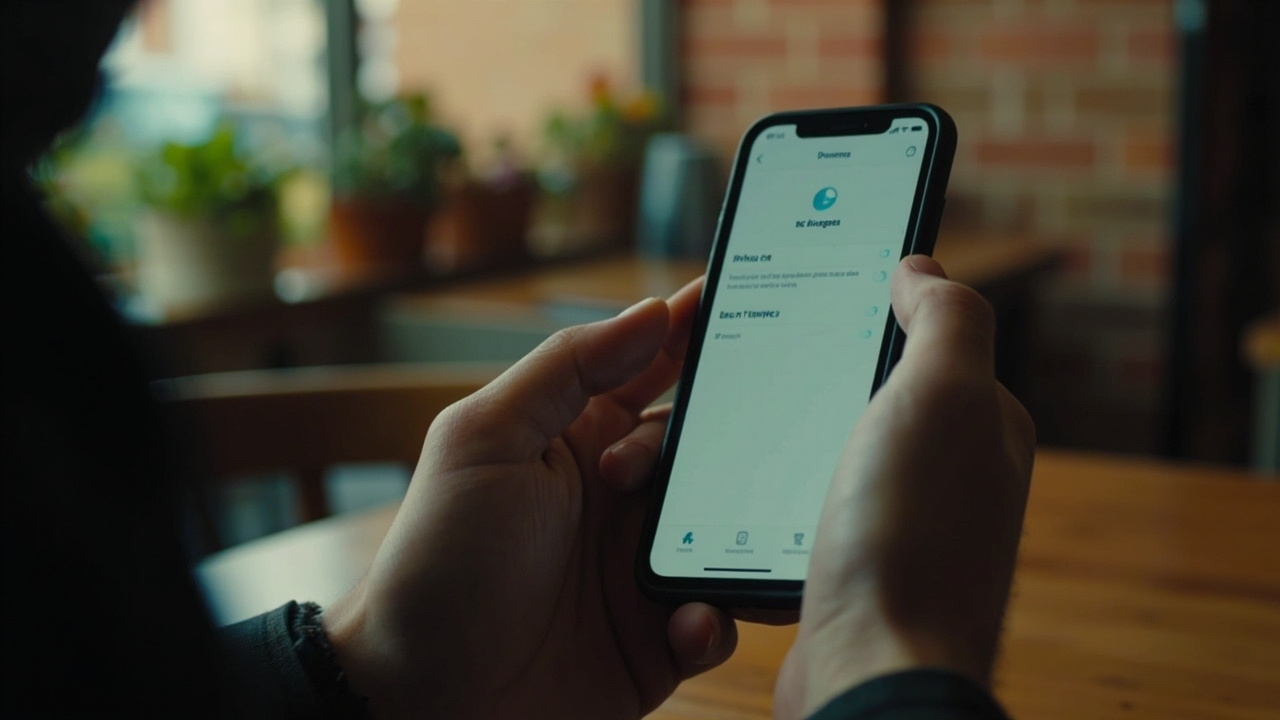

The messaging service is introducing its first-ever option for users to set up distinct usernames, marking a significant change to how people can communicate on the platform.
The privacy-focused addition means users will be able to send messages to others using a username rather than sharing their phone number.
The update is being distributed to the application’s entire user base of more than three billion people across the coming months.
Users can begin reserving their chosen username this week ahead of the full launch.
WhatsApp describes usernames as the application’s most recent advancement in strengthening user privacy.
The platform has confirmed that individuals wanting to reach you will require your precise username, as no searchable list or recommended suggestions will be provided.
Once the feature goes live, contacts or businesses you message for the first time will no longer view your phone number if you have activated your username.
WhatsApp’s product director, Alice Newton-Rex, stated on LinkedIn that this represents the first occasion in the application’s history where users can communicate without revealing their phone number.
She mentioned that from this week, individuals can reserve their preferred username ready for when the feature officially launches later this year.
The company emphasised that reservations are opening simultaneously worldwide, giving everyone an equal chance to secure their desired username.
She noted that users have been requesting this capability for many years and the team is delighted to finally be making it available.
The username system is being deployed gradually over the next few months, with users informed through an in-app alert once the feature reaches their account.
To secure a username, users must first ensure their application is updated to the most recent version.
The process involves navigating to Settings, then Account, and finally Username to make the selection.
Usernames are required to be between three and 35 characters in length, and the platform provides a suggestion tool for those seeking ideas.
Reservations can be completed through account or profile settings within the application, though this can only be accomplished on a mobile device rather than through WhatsApp Web or Desktop versions.
A selection of usernames have been reserved by the platform for notable individuals or organisations as a safeguard against impersonation.
Usernames remain editable or removable at any point, though choosing a different one may result in the previous username becoming available to other users.